DTF Printing Technology Requires Precision, Discipline, and Accuracy. DTF printing technology requires precision, discipline, and accuracy. An error in temperature, humidity, or pressure can lead to loss of density, color, and adhesion. The work environment is just as important as the supplies. Maintain a temperature of 20-25°C and a humidity of 40-60%. If you ignore the mode, smudging, blockages, and an unstable white layer will appear, even when using DTF printing supplies USA.
White Ink: Density, Circulation, Shelf Life
White ink is the main risk. The pigment settles quickly and inevitably. Daily shaking of the cartridges and working circulation help. Automatic cleaning should not be skipped. Shelf life is up to six months. Expired ink delaminates, changes its viscosity, and clogs the nozzles. Use only approved solutions for maintenance. Alcohol destroys the solvent, impairs the flow and causes uneven filling. Keep an eye on the dampers and the capping station. A little prevention every day saves a lot of repairs in the future.
Adhesion And Transfer: Powder, Press, Cloth
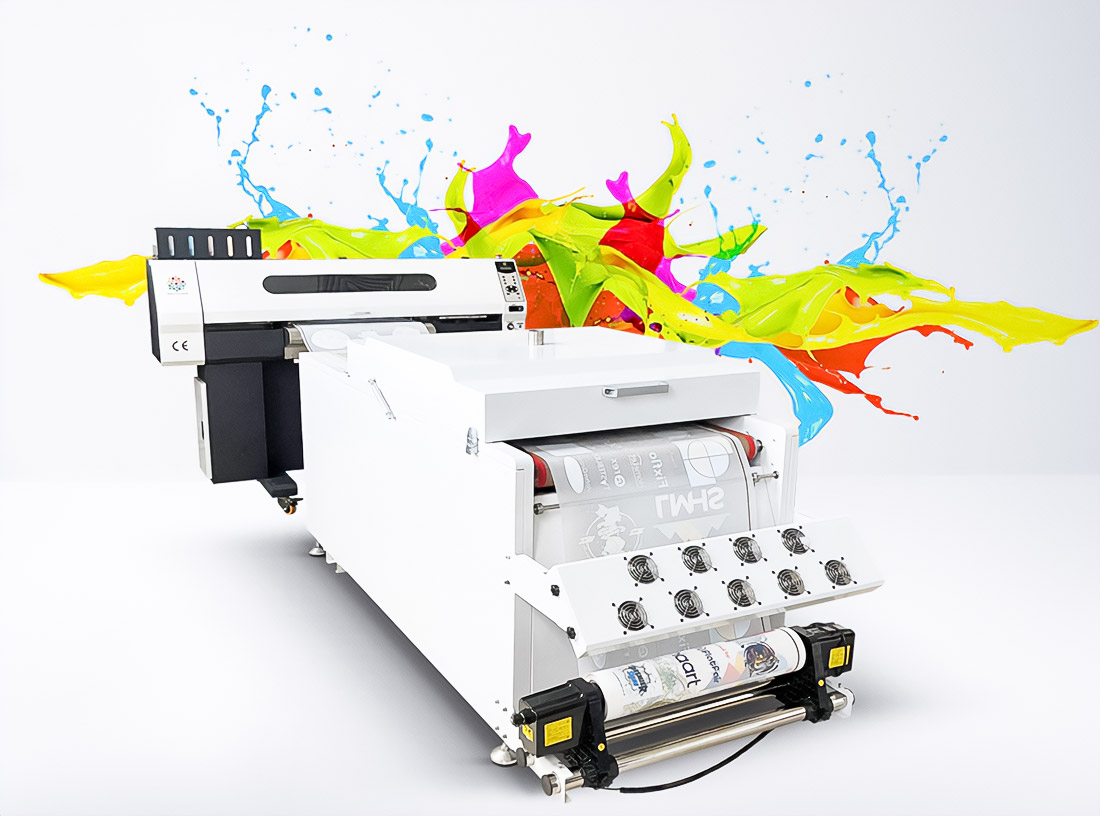
Adhesion is based on a balance of powder, temperature and time. Excess powder clumps together. The disadvantage tears the clutch. The working guideline for the press is 140-160°C and 15-20 seconds at medium or high pressure. Before pressing, warm up the fabric and remove the dust with a roller. Moisture interferes with the melt, and micro-contamination destroys contact. Textured or processed fabrics are more difficult. Run the test. Adjust the pressure, temperature, and duration. For dark materials, increase the density of the white sublayer. The secondary short press reduces peeling after washing and smoothes the surface.
Print Quality: Color, Mechanics, Medium
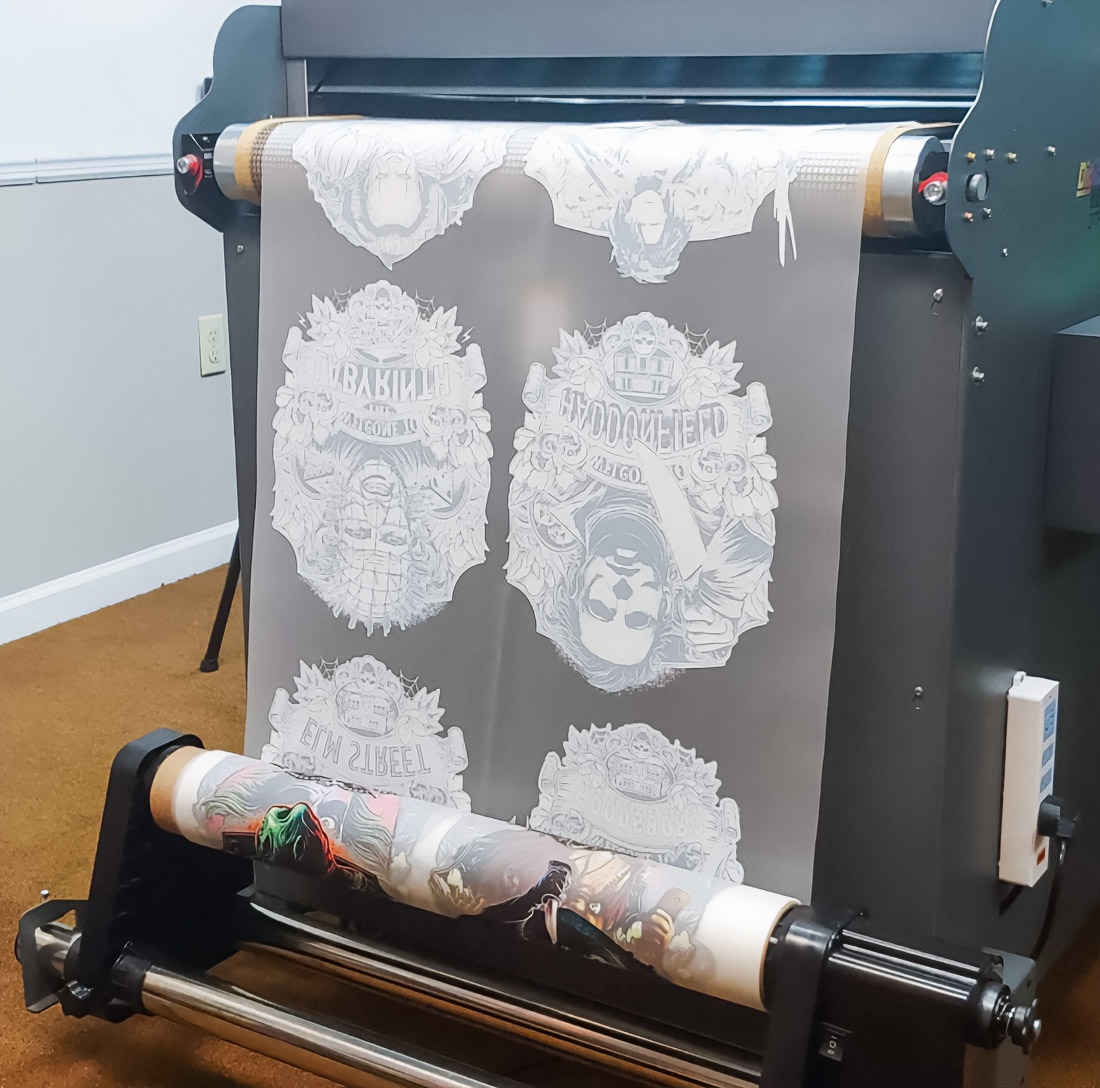
Streaks, double vision, and “ghosts” are eliminated systematically. Calibrate the printer and the ICC profiles regularly. Check the nozzles, clean the encoder tape, and monitor the film feed. Film displacement is often caused by static. Ground the table, use antistatic brushes, and keep humidity in the target range. Overheating is eliminated by pauses and ventilation. Power surges are dangerous for the head. A power stabilizer is required. If you see power outages, look for air bubbles in the lines, clean the dampers, and purge the path. Work with a compatible PET film. Incorrect thickness and poor-quality coating cause wrinkles, peeling and distortion.
It is impossible to overestimate the importance of the environment. Dry air dries the ink in the nozzles, forms a crust and increases cleaning costs. Excessive moisture causes lubrication and uneven fixation of the powder. Keep a hygrometer handy. Humidifiers and dehumidifiers are the same tools as a press and a shaker. Monitor the temperature of the workplace. Keep everything clean. Dust, lint and grease residues instantly transfer to the film and fabric, destroying adhesion.
Prevention is shorter than it seems. Five minutes a day is enough. Wipe the capping station. Clean the scraper. Remove excess ink at the edge of the head with a lint-free cloth. Check the tightness of the cartridges and lines. Set up automatic cleaning at night. If the project lasts for several hours of continuous printing, make technical pauses. Stability is achieved not by “miracle tuning,” but by repeated rituals.
Color is based on discipline. Fresh profiles, up-to-date RIP, layout resolution check, correct ink limit. For dark fabrics, enhance the white underbase moderately. The disadvantage is the dull colors. Excess cracks and “orange peel”. Distribute the heat evenly. Heating should not burn the powder in places, and not warm up in places. Stains, stickiness, and brittleness are signs of overdrying or the wrong time.
DTF is stable if the entire chain is managed. Ink, film, powder, temperature, humidity, pressure, cleaning everything affects the result. Monitor the environment, observe the modes, maintain the head, and monitor the expiration dates. Then the prints will be bright, smooth and stable, and the production will be predictable.