
Choosing a hosting service is rarely “once and for all.” Today the site lives quietly, tomorrow it catches a surge in traffic, and the day after tomorrow you suddenly run into server resources. Therefore, it is not the name of the tariff that is more important, but how the architecture works: where the data is stored, how the CPU and RAM are divided, whether the environment is isolated, and how easy it is to scale the configuration without migration and downtime for a project that may already rely on a specific qa domain name.
1) Shared Hosting: Shared Resources And A Simple Starting Point
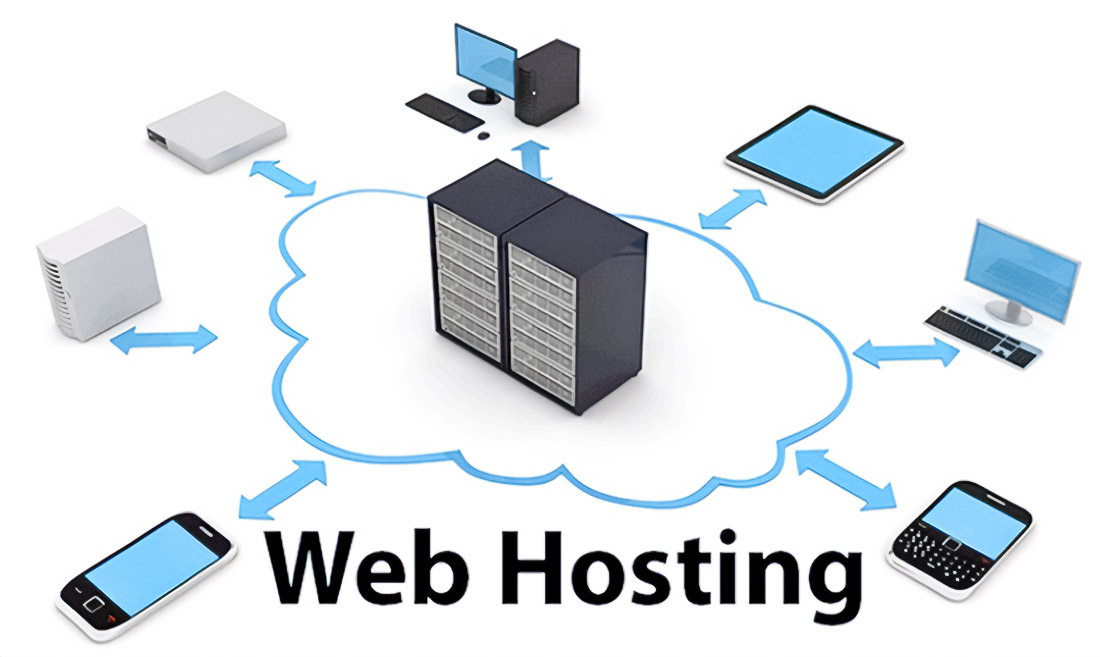
Shared hosting is a single physical server hosting dozens or even hundreds of sites. The server resources are shared: CPU, RAM, storage, bandwidth. Hence the main advantage is the price. Initial plans often amount to less than 10 conventional units per month, which looks reasonable for a small project with predictable traffic.
But the general environment lives by its own laws. A neighboring site can cause a spike in load, and your project will suddenly experience a performance drawdown. Peak traffic levels are especially unpleasant here: accessibility drops, page loading stretches, and metrics jump. Control is also limited. There is no root access, there is no deep server configuration, and installing specific software is often impossible.
2) VPS: Environment Isolation, Control And Guaranteed Resources
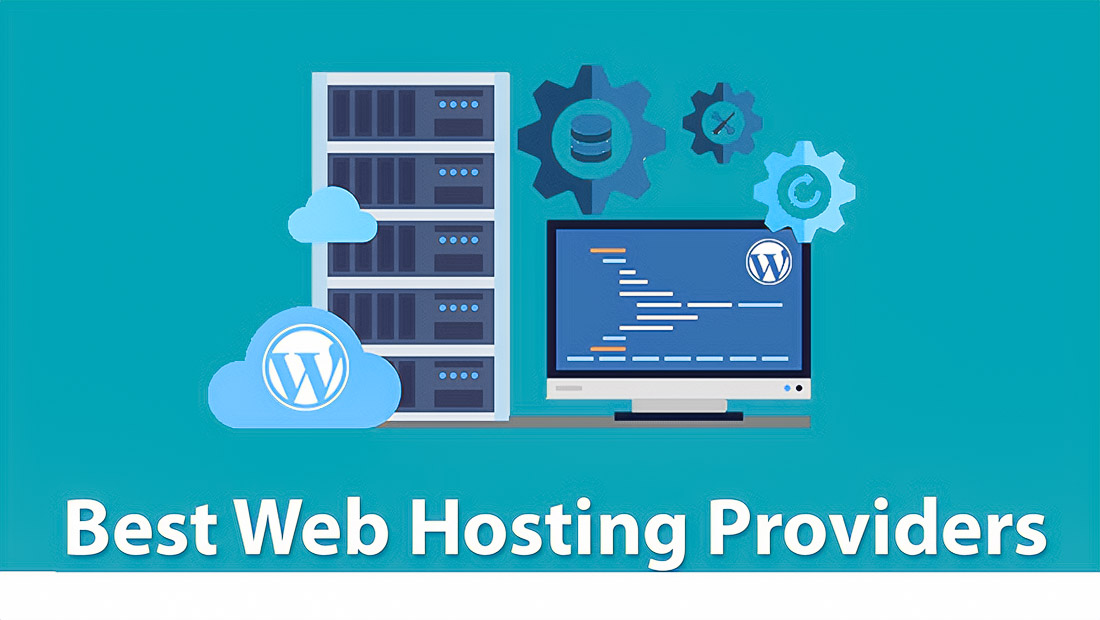
The VPS (Virtual Private Server) is based on virtualization. One physical server is divided into virtual machines, and each receives guaranteed CPU, RAM, and storage, plus its own operating system and, as a rule, a dedicated IP address. This changes the behavior of the system radically. The isolation of the environment becomes real, not conditional.
The price is also changing. Usually, the more “full-fledged” options start at about 20 conventional units per month, but you get predictable performance and noticeably more control. Do I need to configure a firewall, security rules, background tasks,web server or database configuration? On a VPS, this is solved because you have root access and the freedom to install software. However, freedom requires responsibility. Configuration errors, weak access policies, and rare updates can open vulnerabilities even in an isolated environment.
3) Cloud Hosting: Distributed Infrastructure And Traffic Elasticity
Cloud architecture differs fundamentally. Here, the site is not “tied” to a single node: a network of servers with a common pool of resources is used. The important detail is that there is no single point of failure. If one node crashes, the other picks up the load, and availability persists.
Scalability is even more important. In a cloud environment, resources can be increased in real time, sometimes in just seconds. This helps when traffic jumps unpredictably: today it’s flat, tomorrow there’s a sharp increase, and the day after tomorrow it’s quiet again. But the payment model is often tied to consumption. This means that expenses can fluctuate with the workload, and you need to be prepared for this.
As a result, the choice depends on three things: the nature of the traffic, the security requirements, and the desire to control the configuration. Shared is suitable for a quiet start. VPS is for stable growth and a managed runtime environment. Cloud when fault tolerance and elasticity are more important than a fixed account.